Floor pads, sanding materials and machines for floor maintenance
This category includes floor pads, hand pads, pad holders, brush discs, floor machines and accessories for cleaning, conditioning, polishing and treating wooden and hard flooring.
Selecting the correct combination of machine, drive board, pad and product is essential. An unsuitable pad or overly aggressive method can dull, damage or completely remove an existing finish. Always confirm the size, hardness, operating speed and suitability before starting.
Which floor pad colour should you choose?
Pad colour generally indicates the hardness and intended action. However, the exact function can vary between manufacturers and product ranges. Always consult the individual product description.
As a general guide:
-
White pads are very fine and used for light polishing and buffing
-
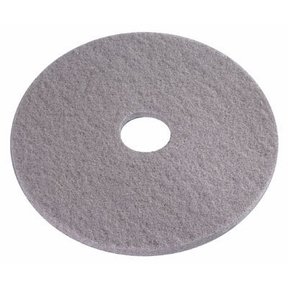
Beige pads are fine and suitable for light working-in, spreading and buffing
-
Red pads provide medium action for light cleaning and working in products
-
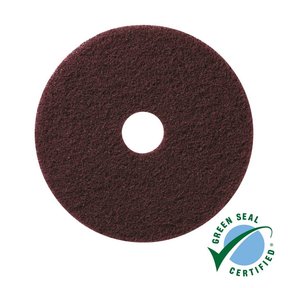
Green pads are coarser and intended for more intensive cleaning on compatible surfaces
-
Black pads are aggressive and used for heavy cleaning or stripping suitable hard floors
Never use a green, black or similarly aggressive pad on an oiled, waxed, lacquered or vulnerable wooden floor without confirming compatibility. Always prepare a test area in an inconspicuous location.
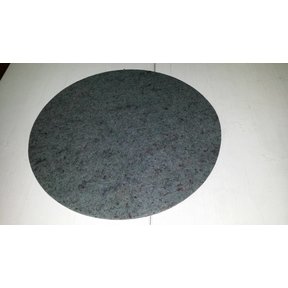
View our round floor pads in different colours and sizes.
Rectangular pads for manual application
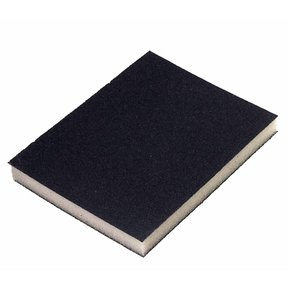
Rectangular pads measuring 12 × 25 cm are useful for manually treating smaller surfaces, edges, stair treads and difficult-to-reach areas.
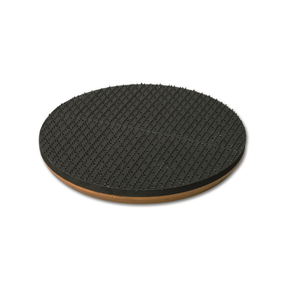
Use them with a suitable hand pad holder or holder with a handle connection. This distributes pressure more evenly and reduces unnecessary strain on hands and knees.
Select the colour and hardness according to the product and required result. Only use a compatible pad when spreading oil or maintenance products.
Always check the correct pad size
A floor pad must fit correctly beneath the machine or drive board. Consider:
-
Machine and drive-board diameter
-
Pad sizes permitted by the manufacturer
-
Machine speed and operating principle
-
Pad hardness and thickness
-
Existing floor finish
-
Intended task: cleaning, working in, polishing, sanding or stripping
Never use a pad that is so small that the drive board or machine components can touch the floor. An oversized or poorly centred pad can cause vibration, instability and difficult handling.
When uncertain, check the machine identification plate and manual or contact us before ordering.
Osmo FloorXcenter
The Osmo FloorXcenter is a compact single-disc machine for cleaning, maintaining and polishing compatible flooring.
Depending on the selected pad, cloth or brush disc, the machine can perform various maintenance tasks. Use only accessories with the correct dimensions and connection for the FloorXcenter.
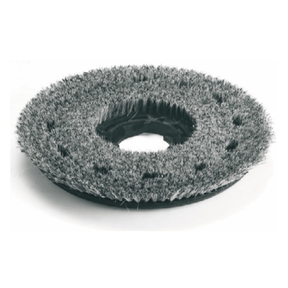
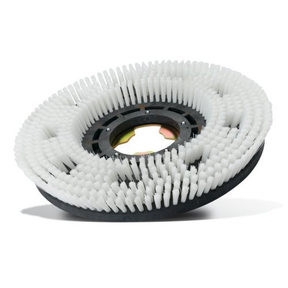
A dedicated FloorXcenter brush disc is available for more intensive mechanical cleaning. Always confirm that the brush is suitable for the floor and finish before use.
Floorboy XL300 and XL450
The Floorboy XL300 is a compact and controllable machine for domestic and professional floor maintenance.
The Floorboy XL450 is intended for heavier and larger tasks. The correct choice depends on the surface, intended process and operator experience.
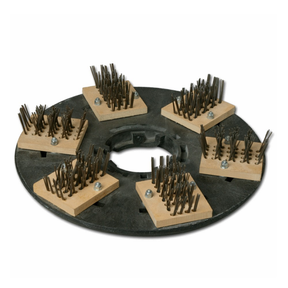
Accessories include pads, drive boards, buffing brushes and scrubbing brushes.
Buffing and scrubbing brushes perform different tasks. Never use a hard scrubbing brush on a vulnerable wooden finish unless its suitability has been expressly confirmed.
Cleanfix floor machines
Several Cleanfix machines are available for domestic and professional maintenance:
Professional machines have greater power, weight and torque. Seek advice before use if you have no previous experience with a heavy rotary single-disc machine.
Sanding and light restoration
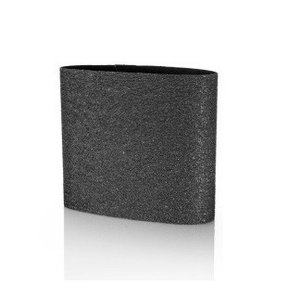
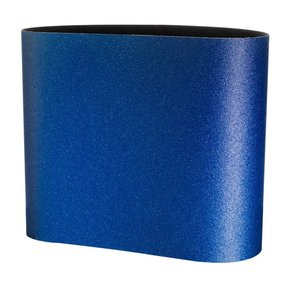
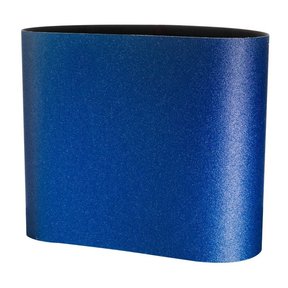
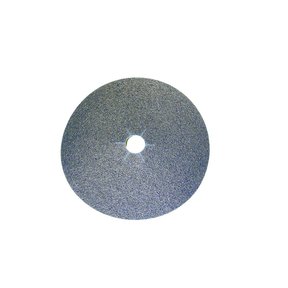
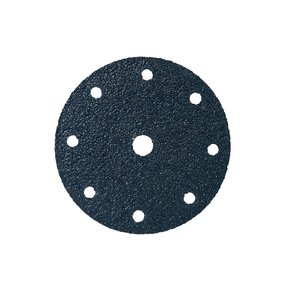
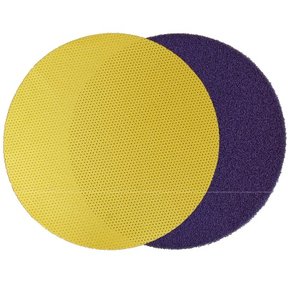
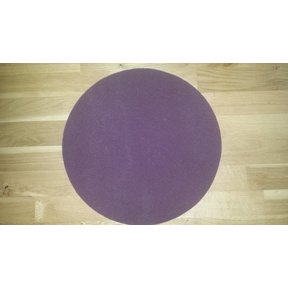
Sanding discs and mesh screens may be used to key, level or lightly restore compatible surfaces. Sanding is fundamentally different from polishing or cleaning.
Before beginning, confirm:
-
That the flooring has sufficient sandable timber thickness
-
That no protruding nails, screws or fittings are present
-
That the abrasive grade is suitable for the intended result
-
That the machine, drive board and abrasive are compatible
-
Whether existing oil, wax, lacquer, adhesive or contamination may clog the abrasive
-
Whether dust extraction and personal protection are required
Always begin with a test area. An abrasive that is too coarse, the wrong machine or remaining stationary for too long can cause deep scratches, hollows and irreversible differences.
Full sanding, removal of a closed lacquer finish and restoration of heavily damaged floors require appropriate knowledge or professional assistance.
Operating a floor machine safely
-
Read the machine manual before use
-
Check the cable, plug, drive board and attachment
-
Centre the pad or brush carefully
-
Start in a clear and open area
-
Never leave a rotating machine stationary
-
Prevent the power cable from passing beneath the machine
-
Use eye, hearing and respiratory protection where required
-
Stop immediately if strong vibration, unusual noise or poor control occurs
-
Never use water or cleaning solution unless the machine and application permit it
Help selecting the correct combination
The number of pad colours, sizes, machines and applications can make selection difficult. When in doubt, send us the machine brand and model, drive-board diameter, a photograph of the floor and a description of the required treatment.
We can then help determine which pad, brush, disc or machine best suits your floor and intended work.
Read less